
HVAC After Hours Calls: Fix Emergency Handling Now
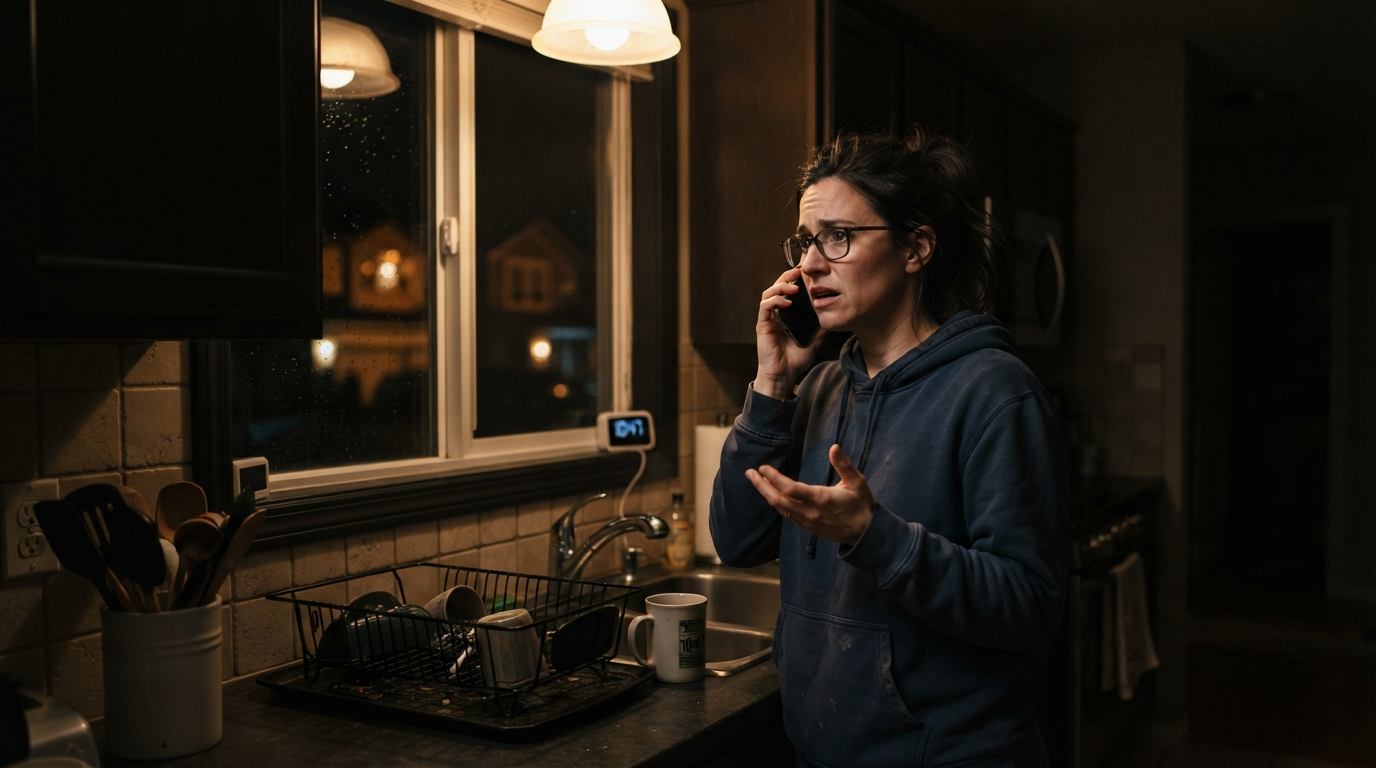
Picture this: It's 6:37 p.m. on a chilly Tuesday in January. A homeowner in your service area huddles under blankets, furnace dead silent as temperatures plunge toward freezing. Or worse, a family watches water pool on their kitchen floor from a burst pipe, the drip turning into a flood. They grab their phone, search "emergency HVAC near me," and dial your number. Heart racing, they expect a live voice—someone to confirm help is coming tonight.
What they get instead? Silence. Or a voicemail promising a callback tomorrow. That moment defines your after-hours HVAC emergency call handling. For owner-led HVAC and plumbing companies, these calls aren't just inconveniences—they're revenue slipping through your fingers while competitors swoop in.
The Harsh Reality of After-Hours HVAC Calls
In small to midsize teams, after-hours HVAC calls follow predictable, painful paths. Most land in voicemail hell. Your generic greeting chirps, "We're closed—leave a message." The caller hangs up, frustrated, and dials the next ad on Google.
Some owner-led companies outsource to a basic HVAC after hours answering service. It takes a message, emails it overnight, and hopes for a next-morning callback. But emergencies don't wait. Burst pipes flood basements by dawn; no-heat nights damage morale and equipment.
Others rely on owner burnout: You answer at dinner, juggling fork and phone, dispatching yourself or a weary tech. It's unsustainable. Meanwhile, HVAC voicemail problems compound. Callers abandon ship fast—that 15-minute booking recovery window slams shut.
When Competitors Win the Night Shift
Search "plumbing after hours dispatch" at 7 p.m., and top results feature 24/7 live operators. They triage, book, dispatch. Your potential customer? They're now their emergency. Response time wins jobs—emergency HVAC response time under 30 minutes books 80% of calls on the spot. Delay it to morning, and recovery odds plummet.
Actionable Fixes for HVAC Emergency Call Handling
You don't need a full office staff or endless budget. Owner-led companies thrive with smart systems. Start reclaiming after-hours demand through precise HVAC emergency call handling.
1. Audit Your After-Hours Greeting and Voicemail
Record your current setup. Does it scream "emergency ready" or "come back tomorrow"? Rewrite for clarity: "For heating emergencies or active leaks, press 1 for immediate dispatch. Otherwise, leave details for next-day service." Test it—call yourself at 8 p.m. Fix HVAC voicemail problems that scare off true urgents.
2. Define True Emergencies vs. Next-Day Jobs
Not every 7 p.m. call is life-or-death. Codify rules: No heat below 55°F? Emergency. Dripping faucet? Next day. Share a one-page cheat sheet with your team. This sharpens triage, protects emergency HVAC response time.
3. Set Crystal-Clear Dispatch Handoff Rules
Decide who gets pinged: On-call tech via text/SMS app? Owner for oversight? Integrate with Google Calendar or service software for real-time slots. Rule: Alerts hit within 90 seconds, response in 5 minutes.
4. Build an On-Call Rotation That Spares Burnout
Rotate techs weekly. Compensate fairly—premium pay or time off. For solo owners, pair with instant text-back tools for booking recovery without lifting the phone every time.
5. Craft a Professional Triage Script
Ditch robotic. Train on: "Hi, this is [Company] emergency line. Describe the issue—is anyone in immediate danger?" Gather address, symptoms, then: "Tech en route in 45 minutes." Sounds human, books jobs.
6. Track Missed After-Hours Demand Separately
Use call analytics or voicemail transcripts. Log every after hours HVAC calls. Quantify leaks, then plug them. Forward to our guide on missed-call text-back and booking recovery for next-level automation.
Your Week-One Implementation Checklist
No hires needed. Run this now:
- Call your line after hours. Note greeting flaws. Rewrite and record today.
- Draft emergency criteria sheet. Team review by Friday.
- Choose alert tool (e.g., Slack, TextNow). Test pings end-to-end.
- Schedule first on-call rotation. Assign incentives.
- Write and rehearse triage script. Role-play scenarios.
- Set up call log spreadsheet. Review weekly.
- Add 24/7 signals to website: "Emergencies answered live."
- Quantify baseline: Tally last month's after-hours voicemails.
FAQ: Mastering 24/7 Operations for HVAC and Plumbing
Should We Answer 24/7 for All Calls?
No—triage ruthlessly. True emergencies only. Use voicemail forks for routine jobs, preserving emergency HVAC response time for high-value nights.
What About Spam After Hours?
Caller ID screening + script questions filter solicitors fast. Most legit emergencies cut through noise.
How to Handle Website Forms at Night?
Auto-respond with instant text-back: "Thanks—describe your issue for priority dispatch." Ties into booking recovery.
When Does Text-Back Fit?
Perfect for non-urgent or overflow. Sends quote links, slots. Scales without staff.
Lock In Your After-Hours Edge
Owner-led companies win by systems, not heroics. Straightforward pricing on HVAC after hours answering service levels the field against giants. Start with our Free Revenue Leak Audit—it maps your current after-hours path, spots leaks, and charts fixes. Nights become profit centers, not pain points. Your move.